Business Intelligence and Strategic Forecasting for 6629125099284, 392128139, 630041274, 4024838576, 1139853700, 964881312

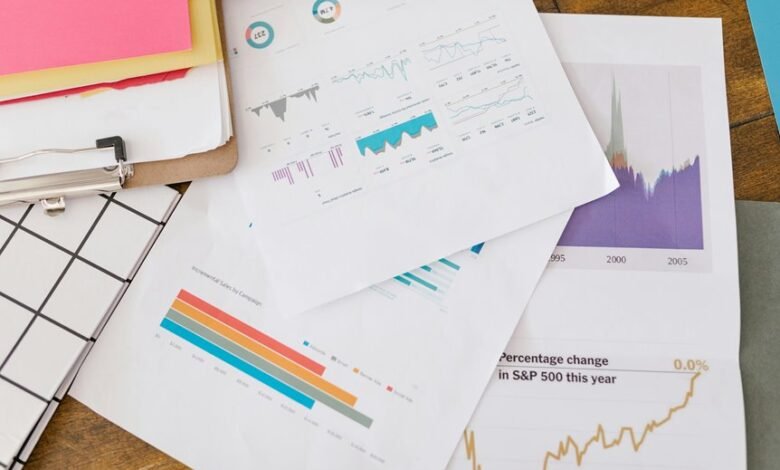
Business intelligence and strategic forecasting are essential for organizations linked to identifiers such as 6629125099284 and 392128139. These entities utilize data analytics to convert vast amounts of raw information into strategic insights. By employing predictive modeling and visualization, they can discern emerging trends and adapt swiftly to market fluctuations. Understanding the nuances of these processes could reveal significant advantages. What specific strategies have proven successful for these organizations?
The Role of Data Analytics in Business Intelligence
As organizations increasingly rely on data-driven decision-making, the role of data analytics in business intelligence becomes paramount.
Effective data visualization techniques enable stakeholders to comprehend complex datasets intuitively, while predictive modeling allows for forecasting trends and behaviors.
Together, these tools empower organizations to make informed decisions, fostering agility and responsiveness in an ever-evolving market landscape.
Data analytics transforms raw information into actionable insights.
Key Techniques for Strategic Forecasting
Data analytics serves as a foundational pillar for effective strategic forecasting, enabling organizations to anticipate future trends and make proactive decisions.
Key techniques include trend analysis, which identifies patterns over time, and predictive modeling, which utilizes historical data to forecast outcomes.
Together, these methods empower businesses to navigate uncertainties, optimize resource allocation, and stay ahead of market dynamics, fostering an environment of informed decision-making.
Integrating Business Intelligence Tools for Enhanced Decision Making
Integrating robust business intelligence tools enhances the decision-making process by transforming raw data into actionable insights.
These tools provide real-time insights, enabling organizations to respond swiftly to market changes. Additionally, predictive modeling allows for forecasting future trends, empowering leaders to make informed decisions.
This integration fosters a culture of data-driven choices, ultimately enhancing organizational agility and strategic effectiveness in an increasingly dynamic business environment.
Case Studies: Successful Implementation of Forecasting Strategies
Numerous organizations have successfully implemented forecasting strategies that illustrate the transformative power of business intelligence.
These forecasting successes highlight how data-driven insights can enhance operational efficiency. However, many faced implementation challenges, including data integration and change management.
Conclusion
In the fast-paced world of business, organizations associated with the specified identifiers must harness the power of data analytics to stay ahead of the curve. By implementing strategic forecasting techniques and integrating advanced business intelligence tools, they can turn insights into foresight. As the saying goes, “forewarned is forearmed”; thus, leveraging these capabilities not only enhances decision-making but also positions these businesses to navigate market complexities with confidence and agility.